Signage hardware lifespan contributes to your marketing approach. Some frames hold up for years while others start showing their age within months, which is exactly why most upgrades happen in stages. A classic-to-premium frame migration works with that reality, letting you replace hardware where it matters most without pausing every display in your network to do it. Knowing what separates standard frames from premium options makes those upgrade decisions a lot easier to get right.
Why Hardware Changes
Every display reaches a point where you start evaluating whether the existing hardware still supports your needs. Weather exposure and evolving branding expectations all influence that decision. Rather than replacing hardware simply because it has aged, you should look at how well it supports current operations and future projects.
Some organizations continue using standard frames because they still perform well in lower-demand environments. Others decide that additional convenience or different installation features better match the way they update graphics today. That difference explains why upgrading becomes a practical discussion instead of a simple replacement.
Look Beyond Age
Age alone doesn't determine whether hardware deserves replacement. You might have a frame that still performs reliably while another installation experiences heavier use and benefits from updated components. Looking at everyday performance gives you a better picture than focusing on years of service alone.
What a Banner Frame System Does
A reliable banner frame system secures and displays graphics. The frame provides the structure that keeps fabric properly positioned while creating a clean, professional presentation. Choosing the right system influences maintenance and long-term usability just as much as the display's visual design.
Premium Features Explained
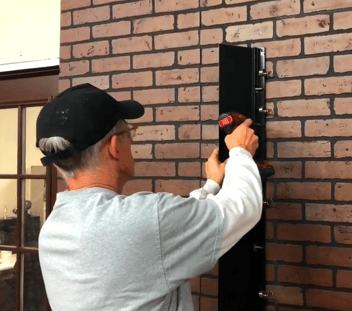
As you compare your upgrade options, it helps to focus on what changes during everyday use instead of looking only at appearance. Premium hardware typically improves access, supports faster graphic replacement, and simplifies routine maintenance without changing the purpose of the display. Those practical differences become easier to appreciate after multiple graphic changeouts throughout the year.
Compare Frame Styles
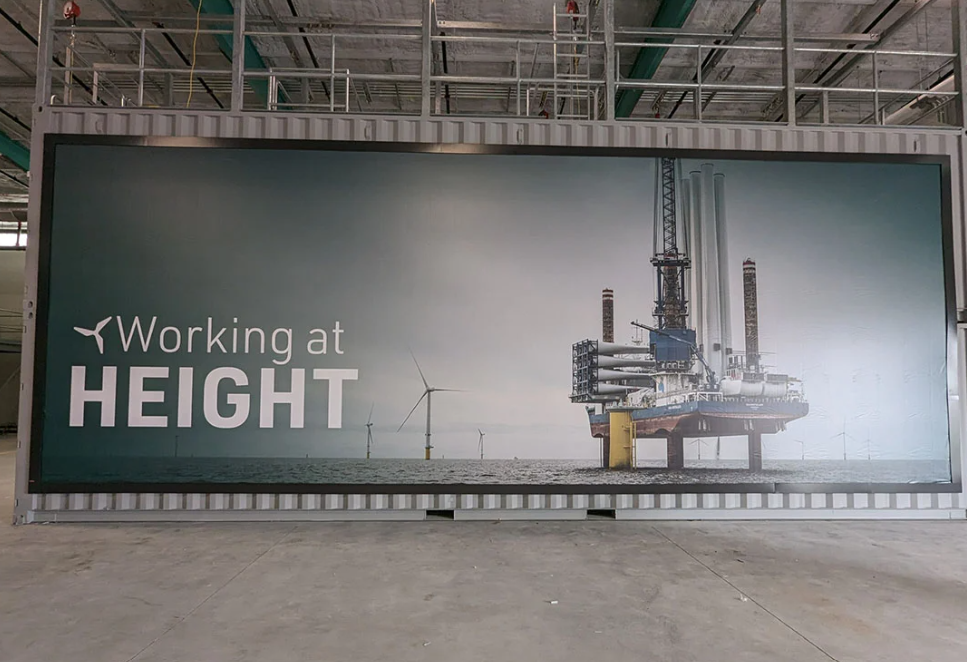
Standard frames have served businesses well for many years because they provide dependable support for banners across many applications. As display programs expand, however, you may begin looking for hardware that simplifies graphic changes or fits new installation environments. Premium hardware usually focuses on improving convenience as opposed to changing the purpose of the display itself.
When you compare different systems, don’t assume that a premium option replaces every standard frame. Instead, think about which locations require frequent graphic updates or demand a cleaner installation process. That approach create
s a smoother path toward future improvements.
Several considerations will help you compare current hardware with newer alternatives:
- Reviewing how frequently your graphics change throughout the year
- Considering the accessibility of each installation location
- Comparing maintenance expectations across different display environments
- Evaluating the aesthetic details that you want visitors to notice
- Thinking about future expansion before purchasing additional hardware
Plan Better Upgrades
Planning ahead removes much of the uncertainty surrounding hardware replacement. Once you understand where existing installations perform well and where improvements would provide value, you can create a realistic upgrade schedule that fits your priorities. That gradual approach also reduces unnecessary interruptions.
Additionally, every project benefits from consistent planning across multiple locations. A coordinated classic-to-premium frame migration keeps replacement decisions focused on performance instead of reacting only after problems appear.
Match Installation Needs
Each installation presents different challenges because mounting surfaces, viewing distances, and graphic sizes vary from one location to another. Looking at each site individually helps you select hardware that fits those conditions.
Think About Future Graphics
Seasonal campaigns, updated branding, and new marketing initiatives influence the way displays evolve over time. Planning with future graphics in mind gives you greater flexibility as your messaging changes.
BannerFrameCLASSIC In Context
Generic classic frames describe a broad category of traditional banner hardware found throughout the industry. By comparison, BannerFrameCLASSIC refers specifically to Lind SignSpring's product line, which uses the company's engineered spring and hook technology for fabric graphic installation without requiring grommets. That distinction helps you compare products accurately rather than treating every classic frame as the same solution.
If you already use BannerFrameCLASSIC, you may find that it continues meeting your needs across many installations. At the same time, expanding projects sometimes introduce new requirements that encourage you to evaluate additional hardware options while maintaining consistency across your overall display program.
Migration Considerations
![Signage hardware lifespan contributes to your marketing approach. Some frames hold up for years while others start showing their age within months, which is exactly why most upgrades happen in stages. A classic-to-premium frame migration works with that reality, letting you replace hardware where it matters most without pausing every display in your network to do it. Knowing what separates standard frames from premium options makes those upgrade decisions a lot easier to get right. Why Hardware Changes Every display reaches a point where you start evaluating whether the existing hardware still supports your needs. Weather exposure and evolving branding expectations all influence that decision. Rather than replacing hardware simply because it has aged, you should look at how well it supports current operations and future projects. Some organizations continue using standard frames because they still perform well in lower-demand environments. Others decide that additional convenience or different installation features better match the way they update graphics today. That difference explains why upgrading becomes a practical discussion instead of a simple replacement. Look Beyond Age Age alone doesn't determine whether hardware deserves replacement. You might have a frame that still performs reliably while another installation experiences heavier use and benefits from updated components. Looking at everyday performance gives you a better picture than focusing on years of service alone. What a Banner Frame System Does A reliable banner frame system secures and displays graphics. The frame provides the structure that keeps fabric properly positioned while creating a clean, professional presentation. Choosing the right system influences maintenance and long-term usability just as much as the display's visual design. Premium Features Explained As you compare your upgrade options, it helps to focus on what changes during everyday use instead of looking only at appearance. Premium hardware typically improves access, supports faster graphic replacement, and simplifies routine maintenance without changing the purpose of the display. Those practical differences become easier to appreciate after multiple graphic changeouts throughout the year. Compare Frame Styles [IMAGE A] Standard frames have served businesses well for many years because they provide dependable support for banners across many applications. As display programs expand, however, you may begin looking for hardware that simplifies graphic changes or fits new installation environments. Premium hardware usually focuses on improving convenience as opposed to changing the purpose of the display itself. When you compare different systems, don’t assume that a premium option replaces every standard frame. Instead, think about which locations require frequent graphic updates or demand a cleaner installation process. That approach creates a smoother path toward future improvements. Several considerations will help you compare current hardware with newer alternatives: Reviewing how frequently your graphics change throughout the year Considering the accessibility of each installation location Comparing maintenance expectations across different display environments Evaluating the aesthetic details that you want visitors to notice Thinking about future expansion before purchasing additional hardware Plan Better Upgrades Planning ahead removes much of the uncertainty surrounding hardware replacement. Once you understand where existing installations perform well and where improvements would provide value, you can create a realistic upgrade schedule that fits your priorities. That gradual approach also reduces unnecessary interruptions. Additionally, every project benefits from consistent planning across multiple locations. A coordinated classic-to-premium frame migration keeps replacement decisions focused on performance instead of reacting only after problems appear. Match Installation Needs Each installation presents different challenges because mounting surfaces, viewing distances, and graphic sizes vary from one location to another. Looking at each site individually helps you select hardware that fits those conditions. Think About Future Graphics Seasonal campaigns, updated branding, and new marketing initiatives influence the way displays evolve over time. Planning with future graphics in mind gives you greater flexibility as your messaging changes. BannerFrameCLASSIC In Context Generic classic frames describe a broad category of traditional banner hardware found throughout the industry. By comparison, BannerFrameCLASSIC refers specifically to Lind SignSpring's product line, which uses the company's engineered spring and hook technology for fabric graphic installation without requiring grommets. That distinction helps you compare products accurately rather than treating every classic frame as the same solution. If you already use BannerFrameCLASSIC, you may find that it continues meeting your needs across many installations. At the same time, expanding projects sometimes introduce new requirements that encourage you to evaluate additional hardware options while maintaining consistency across your overall display program. Migration Considerations [IMAGE B] Every upgrade benefits from realistic expectations because no two installations operate under identical conditions. You should evaluate traffic patterns, mounting locations, and maintenance schedules before replacing existing hardware. That approach helps you invest where updated equipment provides the greatest practical value. As your signage program grows, consistency becomes another worthwhile consideration. Similar hardware across multiple locations simplifies maintenance planning while creating a more uniform appearance throughout your facilities. Several questions can guide your evaluation before making hardware changes: Which locations receive the most frequent graphic updates? Which displays remain in service throughout every season? What does maintenance access look like for replacement hardware? What are your future branding plans and current installation needs? Make Practical Decisions Every organization upgrades at its own pace because timelines and project priorities differ. You don't need to replace every installation immediately to benefit from newer hardware. A phased approach lets you evaluate results before expanding future upgrades. Balance Cost and Value Lower initial cost doesn't always represent the strongest long-term investment. If you regularly replace graphics, easier maintenance and quicker changeouts may provide worthwhile operational value in the long term. Looking beyond purchase price helps you make decisions that support years of reliable use. Final Thoughts Your signage program will continue changing as branding evolves and new campaigns replace older messaging. Planning hardware with future flexibility in mind gives you more freedom when those updates arrive. Likewise, thoughtful planning helps you avoid unnecessary replacements by focusing on upgrades that’ll provide the greatest benefit. Each improvement becomes part of a broader strategy. If you'd like to compare options in greater detail, Lind SignSpring provides resources that explain where products such as BannerFrameCLASSIC fit within different installation goals. Taking time to discuss your project with experienced professionals can help you choose hardware that aligns with your current needs while supporting future expansion. A well-planned migration keeps your signage program ready for graphic updates.](https://lindsignspring.com/hs-fs/hubfs/443958-imageB.png?width=1082&height=545&name=443958-imageB.png)
Every upgrade benefits from realistic expectations because no two installations operate under identical conditions. You should evaluate traffic patterns, mounting locations, and maintenance schedules before replacing existing hardware. That approach helps you invest where updated equipment provides the greatest practical value.
As your signage program grows, consistency becomes another worthwhile consideration. Similar hardware across multiple locations simplifies maintenance planning while creating a more uniform appearance throughout your facilities.
Several questions can guide your evaluation before making hardware changes:
- Which locations receive the most frequent graphic updates?
- Which displays remain in service throughout every season?
- What does maintenance access look like for replacement hardware?
- What are your future branding plans and current installation needs?
Make Practical Decisions
Every organization upgrades at its own pace because timelines and project priorities differ. You don't need to replace every installation immediately to benefit from newer hardware. A phased approach lets you evaluate results before expanding future upgrades.
Balance Cost and Value
Lower initial cost doesn't always represent the strongest long-term investment. If you regularly replace graphics, easier maintenance and quicker changeouts may provide worthwhile operational value in the long term. Looking beyond purchase price helps you make decisions that support years of reliable use.
Final Thoughts
Your signage program will continue changing as branding evolves and new campaigns replace older messaging. Planning hardware with future flexibility in mind gives you more freedom when those updates arrive.
Likewise, thoughtful planning helps you avoid unnecessary replacements by focusing on upgrades that’ll provide the greatest benefit. Each improvement becomes part of a broader strategy.
If you'd like to compare options in greater detail, Lind SignSpring provides resources that explain where products such as BannerFrameCLASSIC fit within different installation goals. Taking time to discuss your project with experienced professionals can help you choose hardware that aligns with your current needs while supporting future expansion. A well-planned migration keeps your signage program ready for graphic updates.