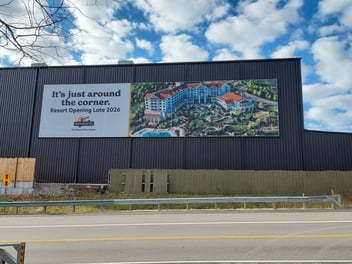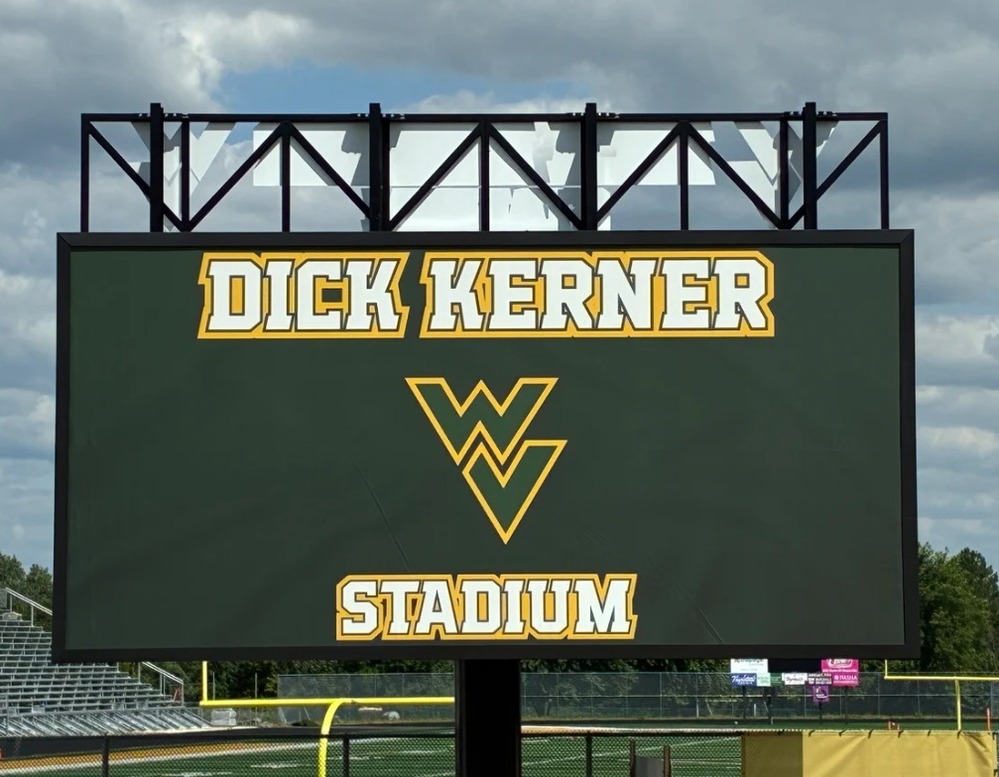
A large outdoor sign may appear stationary from a distance, but the structure supporting it can experience subtle movement throughout the day. Wind can move a flexible graphic directly, while nearby equipment may transmit vibrations through its supporting structure. Evaluating current sign tension systems under conditions with constant vibration raises questions about their ability to maintain a secure, consistent display. The answers depend on where that movement originates and the way the graphic connects to its mounting surface.
Recognize Movement at the Installation
A sign doesn't need to shake visibly for movement at its installation site to warrant consideration. A graphic mounted against a building may experience different conditions than one attached to an exposed framework. However, wind-induced movement and vibration transmitted through a structure affect the installation differently.
When evaluating an installation, identify the source of movement before determining whether it presents a concern. A flexible graphic responds directly to wind pressure, while structural vibration reaches the display through its attachment points. Recognizing this distinction helps you determine which conditions deserve a closer look.
Evaluate the Mounting Environment
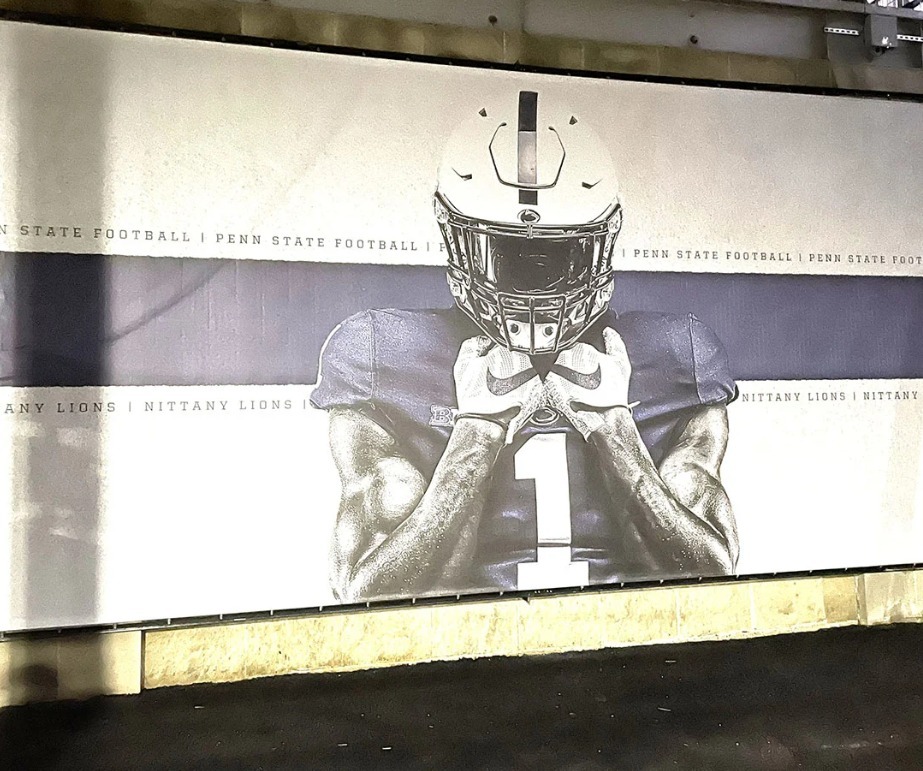
If nearby equipment produces recurring vibration, examine whether that movement reaches the sign's supporting structure. The effect of nearby mechanical equipment depends on the vibration it produces and the extent to which that movement reaches the sign. Machinery near a sign doesn't necessarily create conditions that affect its performance.
Use these questions to assess the movement occurring at the installation:
- Does the mounting surface visibly move during normal operation?
- Does nearby equipment transfer noticeable vibration through the structure?
- Does the graphic experience movement independent of the mounting surface?
- Are existing attachment points secure and properly positioned?
- Has the display developed recurring slack or localized movement?
Examine Perimeter Tension
A tensioned graphic relies on its perimeter connections to maintain a relatively smooth display surface. Secure connections help maintain tension around the graphic's perimeter rather than relying on a single attachment point. Even with secure connections, the graphic may move as wind pressure changes.
This relationship deserves closer examination when current sign tension systems encounter constant vibration at their mounting points. You shouldn't assume that maintaining tension automatically eliminates movement or prevents wear. Instead, examine whether the connections can accommodate the expected movement while keeping the graphic properly tightened.
Account for Repeated Movement at Attachment Points
Repeated movement at an attachment point deserves closer examination because the connection must remain secure throughout normal operation. A loose attachment may allow the graphic to shift farther than intended, while excessive tension can place unnecessary force on the material. Because vibration isn't the only possible cause, inspect the connections before deciding what needs correction.
Consider a large fabric banner mounted to a stadium's upper-level framework, where strong winds can cause repeated movement during an event. Mechanical equipment mounted to the same structure, such as ventilation units, may also transmit low-level vibrations through the framework. If that movement reaches an already loose attachment, it could contribute to additional shifting at the connection point.
Check whether the graphic remains properly positioned at its attachment points during normal movement. When the graphic moves, its connections should remain engaged within their intended operating range.
Select Appropriate Frame Configurations
Your frame configuration determines where you can position the connections that maintain perimeter tension. A hanging banner frame provides a supporting structure for mounting a banner, with attachment locations that depend on the frame's configuration. In spring-based applications, the frame or supporting surface must provide suitable locations for the tensioning connections.
Check these installation details when evaluating a frame configuration:
- Confirm that the supporting surface provides secure mounting locations
- Check that attachment spacing suits the specified graphic
- Verify that springs operate within their intended extension range
- Account for the graphic's expected movement at its installed position
- Follow the system's installation requirements for connection placement
Understand Material Response
A spring connection responds to changes in tension differently than the graphic material it supports. The springs extend or contract as tension changes, while the graphic bears that tension at its attachment points. You should consider both components when evaluating the suitability of an installation.
The effects of repeated movement also depend on the graphic material's properties. A fabric graphic and a polyethylene billboard poster, for example, may have different stretch characteristics. Therefore, you should match the attachment configuration to the specified graphic material rather than assume all flexible media behave alike.
Avoid Unsupported Performance Assumptions
Describing a flexible mounting system as vibration-absorbing can create misleading expectations about its performance. Springs can respond to changes in applied force, yet their presence doesn't establish a particular level of vibration isolation. The system's response depends on the spring characteristics and the forces transmitted through its mounting points. Without application-specific testing, you shouldn't claim that a system prevents vibration-related damage.
Interpret Changes in Appearance
If a previously taut graphic develops visible slack, its tension may have changed since installation. However, material stretch or a shifted attachment could explain the change without vibration being the primary cause. You should examine the connections and the graphic's condition before deciding what needs adjustment.
Compare the graphic's current appearance with its condition immediately after installation. If the graphic remains secure but develops uneven tension, check whether the material has changed or an attachment has shifted. This comparison helps you identify a specific problem before making unnecessary adjustments.
Plan for Reliable Display Performance
Not every source of vibration creates a problem for a properly mounted sign. Instead, evaluate whether the supporting structure remains suitable and whether the tensioning connections operate as intended. Look for actual changes in attachment security rather than treating all movement as evidence of an issue.
Reliable performance depends on keeping the mounting system within its specified operating limits. A spring connection provides flexibility within its working range, but it doesn't compensate for an unsuitable supporting structure. If the supporting structure has a stability problem, address it independently of the graphic's tensioning system.
An outdoor sign doesn't need to remain perfectly motionless to maintain a professional appearance. What counts is whether its mounting connections remain secure under the conditions they encounter. By examining the connections themselves, you can distinguish normal movement from changes that call for maintenance.
Lind SignSpring's engineered spring technology provides perimeter tension while allowing compatible graphics to respond to movement within the system's operating range. Contact us to learn more about our spring-based mounting technology and discuss the conditions your display needs to accommodate effectively.