Outdoor displays face constant exposure to sunlight, making UV resistance an important consideration for the materials used throughout installation. When you look at sign frame durability and UV resistance testing processes, it's important to recognize that material manufacturers typically conduct this testing before those materials become finished signage components. These evaluations help establish how materials such as coated metal or banner vinyl respond to prolonged UV exposure. However, UV-resistant materials don't make an outdoor display immune to the effects of sunlight, especially when the printed face remains directly exposed.
Why UV Testing Matters
Sunlight affects outdoor signage every day, and ultraviolet radiation can gradually change the properties of materials that remain exposed. Before those materials reach a sign-system manufacturer or printing company, their suppliers may use standardized testing to evaluate resistance to UV-related deterioration. Those results give companies further information about the materials they select for outdoor applications.
Weather exposure adds context to those results because outdoor materials encounter conditions beyond sunlight alone. Heat and moisture can affect the way a material performs throughout its service life. Therefore, UV testing provides useful material-level information rather than a guarantee of how long an entire finished display will last.
Common Testing Standards
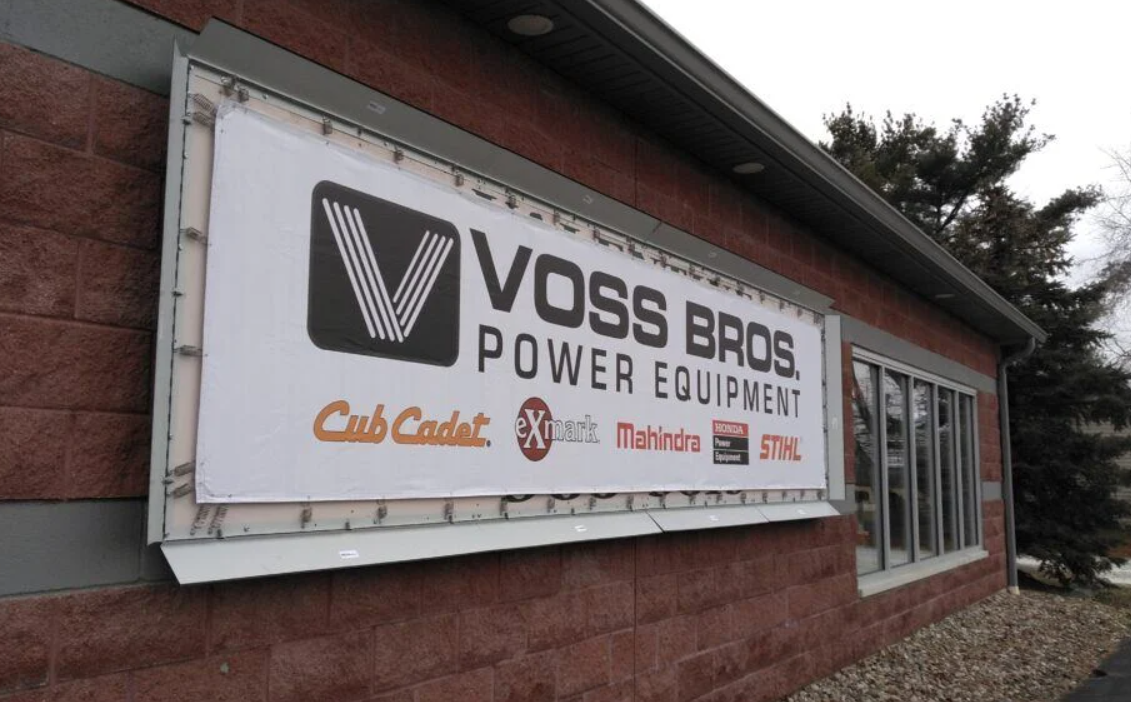
You may encounter industry testing standards when reviewing materials intended for outdoor signage. Material manufacturers use standardized procedures to evaluate products such as vinyl or coated metal under repeatable conditions before those materials reach companies that turn them into finished displays. These standards create useful benchmarks for comparing resistance to UV exposure without suggesting that every sign company conducts its own laboratory testing.
Material manufacturers may use recognized laboratory procedures to evaluate resistance to ultraviolet exposure and related weathering effects:
- ASTM G154 uses fluorescent UV lamps to simulate sunlight and moisture exposure
- ASTM G155 uses xenon arc equipment to reproduce a broader range of natural sunlight
- ISO weathering standards establish internationally recognized environmental testing procedures
- Exposure cycles alternate ultraviolet light with moisture to reproduce outdoor conditions
- Laboratory measurements document color stability, surface condition, and material performance
Laboratory standards create a consistent benchmark, but outdoor conditions still vary from one location to another. A display installed at high elevation or in a desert climate receives different levels of ultraviolet radiation than one placed in a cooler coastal region. Manufacturers account for those differences by using repeatable testing methods that provide a reliable point of comparison across products. You can then evaluate performance data with a better understanding of how laboratory results relate to the environment where your display will operate.
Measure Material Changes
During laboratory testing, material manufacturers can evaluate physical changes that develop after controlled UV exposure. Those observations provide information about how a particular metal finish, vinyl, or other material responds to prolonged sunlight. Sign-system manufacturers and printing companies can then rely on supplier specifications when selecting materials appropriate for outdoor use.
Color Retention
Color measurements compare samples before and after ultraviolet exposure using specialized instruments. Objective data reduces personal interpretation while showing whether noticeable fading has occurred. Consistent color retention supports a cleaner presentation throughout the service life of an outdoor display.
Surface Integrity
Engineers also inspect surfaces for cracking, chalking, brittleness, and other visible changes. Small imperfections may appear long before structural failure develops, making early evaluation an important part of product testing. Careful documentation allows manufacturers to refine materials and production methods when necessary.
Evaluate Structural Performance
UV exposure may affect some material properties over time, which is why manufacturers may evaluate physical performance after controlled weathering. Depending on the material and applicable testing method, those evaluations can show whether prolonged exposure has changed characteristics related to strength or flexibility. Sign-system manufacturers can use supplier information about those properties when choosing materials for outdoor applications.
Retain Mechanical Strength
Testing frequently includes tensile evaluations that measure how materials respond after extended ultraviolet exposure. Those comparisons reveal whether prolonged sunlight has reduced strength or altered flexibility enough to affect performance in outdoor environments. Engineers rely on that information when refining components intended for long service lives.
The Effects of Weather
Outdoor conditions change constantly, so UV light tells only part of the story. As a display heats up in direct sunlight and cools after sunset, its materials respond to those temperature shifts every day. Rain and condensation add another challenge because moisture interacts with surfaces that have already spent hours under intense sunlight.
Testing provides a clearer picture of how materials may respond to the conditions they’ll encounter outdoors. In a banner stretch frame installation, the frame supports the banner around its perimeter, but it doesn’t shield the printed face from sunlight. Because most of the graphic remains exposed, UV-resistant banner material can help limit the effects of prolonged sun exposure without preventing them entirely.
Frame Design Considerations
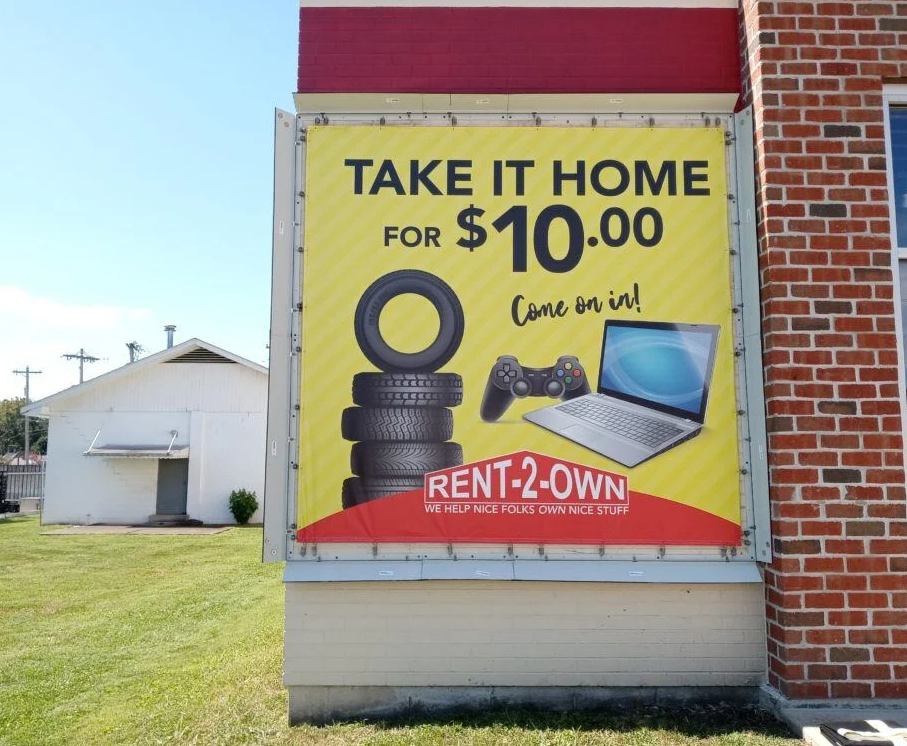
Once manufacturers establish the UV resistance of the materials, frame construction determines how those materials function as part of an outdoor display. A well-engineered frame keeps the banner securely supported around its edges as it remains exposed to changing outdoor conditions.
Several design characteristics contribute to long-term outdoor performance:
- Even spring spacing promotes balanced support across the graphic
- Durable finishes help preserve appearance after prolonged sunlight exposure
- Quality hardware maintains reliable attachment through repeated environmental cycles
- Stable perimeter support reduces unnecessary stress on installed graphics
- Consistent engineering supports dependable long-term operation
Interpret Test Results
Testing reports provide valuable information, but they require thoughtful interpretation. Laboratory evaluations estimate long-term durability under controlled conditions rather than predicting the exact lifespan of every installation. Geographic location, seasonal weather, installation quality, and maintenance practices still influence real-world performance.
When you review testing information, focus on the overall picture instead of searching for a single performance number. Reliable products perform consistently across multiple evaluations because long-term durability depends on the interaction of many environmental factors. That broader perspective gives you a better understanding of what you can realistically expect outdoors.
Continuous Product Improvement
Material testing gives manufacturers throughout the supply chain useful information when selecting components for outdoor applications. As materials and manufacturing methods develop, established performance information helps companies choose options suited to prolonged outdoor exposure.
Lind SignSpring applies that same commitment by developing spring-based systems that stand up to demanding outdoor environments. If you're planning your next display project, contact our team to achieve reliable long-term performance. As you evaluate outdoor signage options, remember that thoughtful testing provides valuable insights. When you understand what laboratories measure and why those evaluations exist, you'll make more informed decisions that support attractive, dependable displays for years to come.