
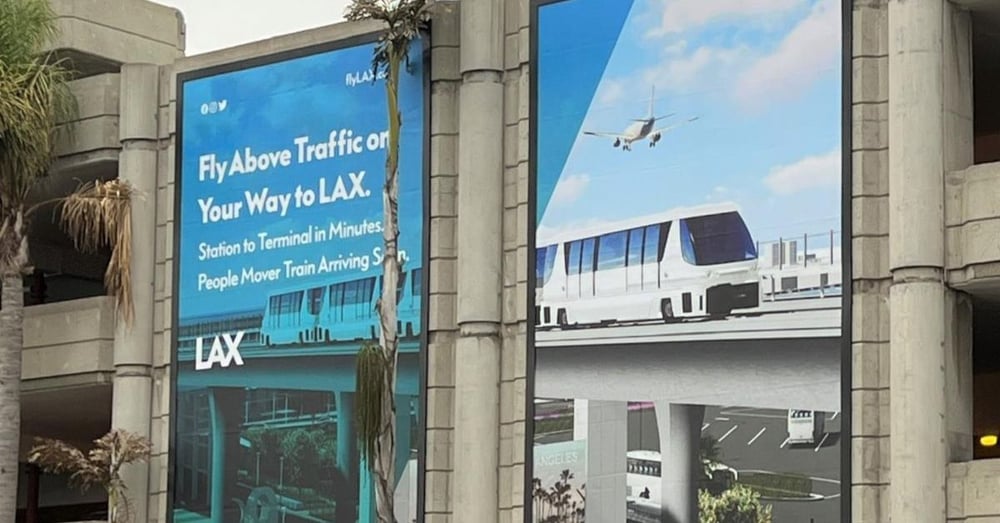
Urban environments are visually crowded. Buildings compete for attention, streets stay packed with movement, and signage often ends up fighting through the noise. That creates a real challenge for businesses and institutions that want to stand out without disrupting the look and feel of the space.
The good news is that your signage doesn’t have to be loud to be effective. With the right approach, signage can enhance architecture, guide people naturally, and communicate clearly without overwhelming its surroundings. These tips for incorporating elegant signage into urban spaces focus on balance and intention for a smarter setup.
Why Urban Signage Needs a More Thoughtful Approach
Urban signage lives in a constant state of exposure. It faces weather, foot traffic, changing light, and ever-shifting sightlines. When design decisions ignore those realities, signage can quickly feel cluttered or out of place.
Elegant signage solves that problem by working with the environment. It respects scale, integrates with structures, and stays flexible enough to adapt as spaces evolve. That mindset sets the foundation for every smart signage decision that follows.
Create Clean Visual Edges With Proper Tension
Framed signage systems bring structure to busy environments. They define boundaries, sharpen edges, and help graphics feel intentional. In dense urban settings, that sense of order matters.
A well-designed frame elevates fabric graphics by keeping even tension and crisp edges. This is where a banner tensioning system proves its value, maintaining a polished appearance despite wind, temperature changes, and constant exposure. When signage looks taut and controlled, it automatically feels more refined.
Design for Flexibility in High-Traffic Areas
Cities are dynamic; seasonal campaigns, events, and tenant turnover all demand signage that can keep up. Proper signage accounts for change without sacrificing design integrity.
Systems designed for easy graphic swaps allow urban spaces to stay current without repeated construction or visual disruption. Flexibility is a major contributor to long-term visual consistency.
Choose a Placement That Respects the Streetscape
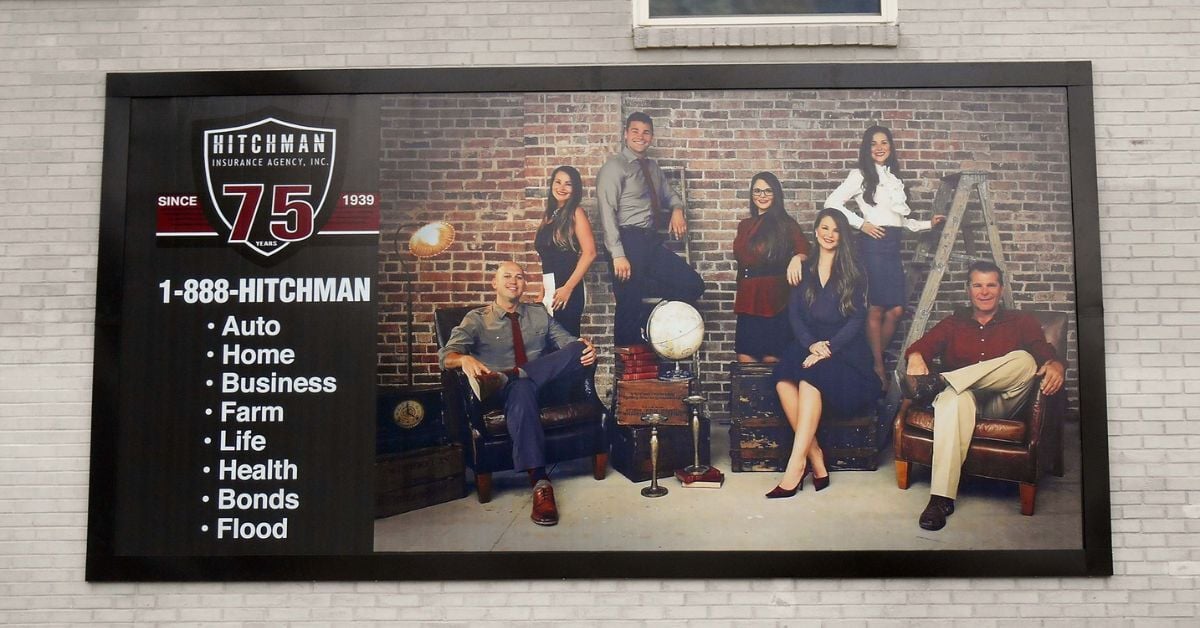
Where signage lives matters just as much as how it looks. Poor placement can block sightlines, clutter facades, or interfere with pedestrian flow. Thoughtful placement allows signage to guide attention naturally.
In urban environments, signage works best when it supports movement. Elevated installations, recessed mounting areas, and framed displays often feel more polished because they maintain visual order while still delivering visibility.
Use Systems Built for Urban Performance
Urban environments don’t forgive weak systems. Wind loads, temperature swings, and constant exposure test signage daily. An efficient design depends on performance as much as aesthetics.
Engineered framing solutions like BannerFrameDELUXE are built to keep large fabric graphics evenly tensioned and secure. Its PVC framing creates a defined border that gives banners a more elevated, architectural look. In urban settings, that refined finish helps signage feel integrated with surrounding buildings instead of competing with them.
Prioritize Architectural Harmony
Great signage should feel like part of the building, not an afterthought. When signage complements architectural lines, materials, and proportions, it feels more refined. Urban spaces reward designs that look intentional from every angle.
This doesn’t mean blending into the background completely. Choose placements and systems that echo the structure they’re attached to. Flexible framing solutions like the BannerFrame Flex system make it easier to adapt to unique building contours and architectural details without disrupting the overall aesthetic. When signage aligns with architectural rhythm, people notice it without feeling overwhelmed.
Leverage Scale Without Overpowering the Space
Large signage can be elegant when it’s scaled correctly. Problems arise when size overwhelms the building or competes with surrounding structures. Smart urban signage uses proportion as a design tool.
Instead of going bigger for visibility alone, consider how the sign interacts with its environment. Strategic scaling allows signage to command attention while still respecting the architectural context around it.
Prevent Visual Clutter Through Structured Signage Systems
In cities where visual competition is constant, the lack of structure makes a space feel disorganized. A defined framing system helps restore order.
When fabric graphics are installed within a consistent frame, proportions remain uniform. This creates a polished look across multiple displays, whether on a single building or throughout a larger property.
Keeping the same framework in place also makes updates easier and more consistent. New graphics can be installed without changing the structure, helping maintain a cohesive appearance over time. That balance of visual control and practical simplicity supports signage that looks intentional in any urban setting.
Reduce Maintenance To Preserve Visual Consistency
Your signage loses its impact when it sags, wrinkles, or fades unevenly. Urban environments demand systems that hold their appearance with minimal intervention. Lower maintenance directly supports better aesthetics.
Choosing systems built for long-term tension and durability means fewer adjustments and fewer visual disruptions. That consistency keeps signage looking intentional, which matters in places where people pass by repeatedly.
Design Signage That Guides Effectively
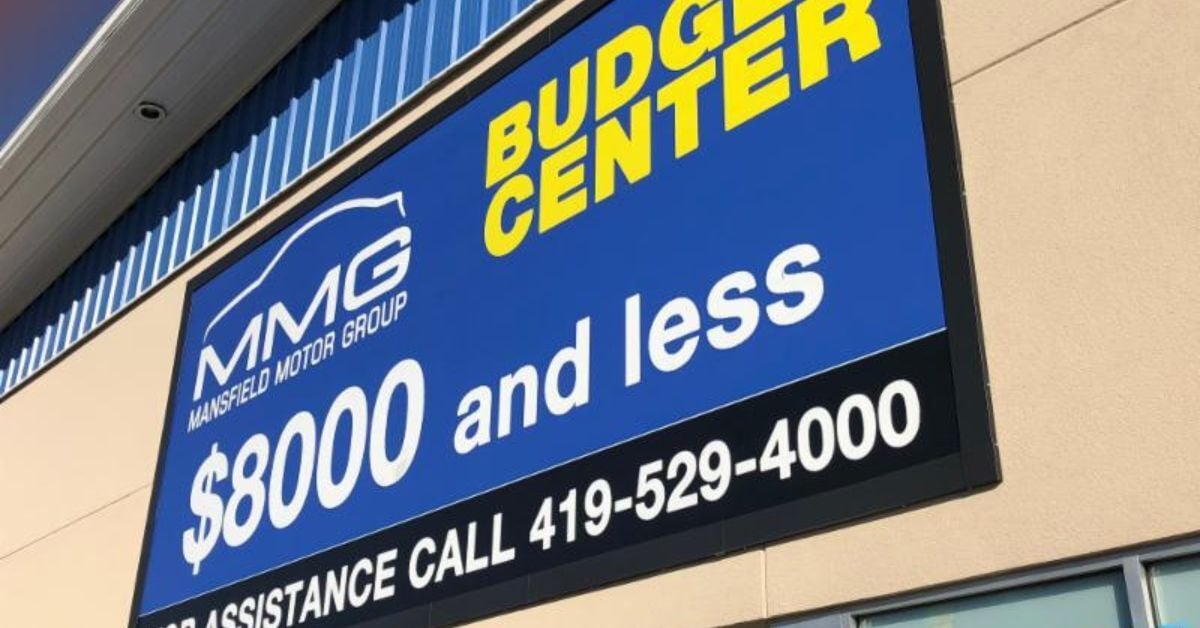
Urban signage often serves a functional role beyond branding. It directs foot traffic, identifies spaces, and provides clarity in complex environments. Elegant signage accomplishes this subtly and confidently.
Clear messaging, clean layouts, and intentional placement reduce confusion without adding clutter. When signage feels intuitive, it enhances the experience of the space instead of competing for attention.
Key Design Principles That Elevate Urban Signage
As we’ve covered, urban signage should consistently follow a few core principles that support both form and function. Keeping these in mind helps maintain visual harmony across different environments.
- Align signage with architectural lines and materials
- Choose systems that allow clean edges and consistent tension
- Design for easy graphic updates without visual disruption
- Scale signage to complement surrounding structures
- Prioritize durability to reduce long-term maintenance needs
Bring It All Together With the Right Partner
Incorporating elegant signage into urban spaces takes more than good design instincts. It requires systems that support those design goals over time. When signage stays taut, clean, and adaptable, it continues to elevate the environment and support your goals.
Lind SignSpring designs fabric graphic systems that meet every point we’ve touched on. When you invest in a system engineered for durability and seamless changeouts, you protect both your brand image and your long-term budget.
If you’re planning a new installation or upgrading existing signage, now’s the time to choose a solution built for performance—not patchwork fixes. Connect with our team at Lind SignSpring to explore a system that keeps your graphics sharp, secure, and ready for whatever your space demands next.

.jpg?width=352&name=645387479%20(2).jpg)