Summer hits your signage hard from the moment temperatures rise. Materials begin to shift, and once tension loosens, the entire display loses its edge. Sunlight continues the damage by dulling colors, which makes even strong designs look worn and overlooked. As conditions intensify, your signage stops working as intended right when visibility should be at its highest.
You don’t need to accept that decline as part of outdoor advertising. Weather-resistant banners give you control over how your visuals perform in real conditions and how long your signage keeps working without interruption.
Why Summer Conditions Push Signage to Its Limits
Outdoor banners face a combination of stress factors during summer, and each one compounds the others. Heat expands materials, wind applies pressure across the surface, and UV exposure eventually breaks down inks. When those forces act together, weak systems fail quickly.
You’ll notice issues like rippling graphics, loose edges, and fading colors first. Over time, those problems turn into full replacements, higher costs, and missed opportunities to capture attention. Strong systems account for all these variables from the start.
The Core Features of Weather-Resistant Banners
Not all banners qualify as weather-resistant, even when they claim to handle outdoor use. True durability comes from how the material, printing, and mounting system work together as a complete solution.
A high-performing setup includes:
- UV-resistant inks that maintain color clarity under direct sunlight
- Durable fabric or vinyl engineered to resist stretching and tearing
- Reinforced edge construction that prevents fraying under wind pressure
- Tension-based mounting systems that keep graphics smooth and secure
When these elements align, signage maintains its structure and appearance without constant adjustments.
How Tension Systems Keep Graphics Sharp
Loose banners don’t just look unprofessional; they degrade faster. When wind catches slack material, it creates repeated stress points that weaken the entire display. Tension-based systems solve this by distributing force evenly across the surface.
A well-designed banner tension frame keeps the graphic tight, preventing sagging and reducing wear. Instead of reacting to environmental stress, the system absorbs and balances it. That difference shows up in how clean and stable the display looks.

Material Choices That Hold Up in Heat
Material selection directly affects how your signage performs once summer temperatures climb. Some substrates soften when exposed to heat, leading to slack surfaces and uneven visuals. When that happens, the display starts to lose its professional look.
Lighter-weight vinyl performs better in these conditions because it responds more consistently to tension. In systems like BannerFrameHINGE, lighter material creates a tighter finish. You’ll notice fewer distortions and a more polished presentation, even during extended sun exposure.
When you match the right material to the system and environment, you avoid common issues before they start.
Wind Resistance Without Compromise
As installations scale up, wind becomes just as important as heat. Larger displays need airflow to prevent stress from building across the surface. Mesh vinyl solves this by allowing air to pass through the material, which reduces strain on the graphic and the frame. That added flexibility supports long-term durability without sacrificing visibility.
Wind doesn’t just push against banners—it pulls at connection points and tests every part of the installation. Traditional attachment methods create isolated stress points, increasing the chance of tearing or failure.
Tension-driven systems spread that force across the entire frame. Instead of one area taking the hit, the load is distributed evenly. That design prevents damage and keeps the banner in place even during strong gusts.
You’ll notice fewer maintenance issues and a more consistent presentation. The system works with the environment instead of fighting it.
Maintain Visual Impact Through UV Exposure
Sunlight poses the greatest challenge for outdoor signage. UV rays weaken pigments, causing a lower image quality. When that happens, your message becomes harder to read from a distance.
High-quality printing paired with UV-resistant materials protects you against this decline. Colors stay bold, edges remain defined, and the overall design continues to attract attention. That consistency matters when your signage competes with everything else in a busy outdoor environment.
Easy Changeouts Without Sacrificing Durability
Seasonal campaigns don’t stop just because a banner system performs well. You still need the flexibility to update graphics without rebuilding the entire display. The challenge comes from balancing ease of change with long-term strength.
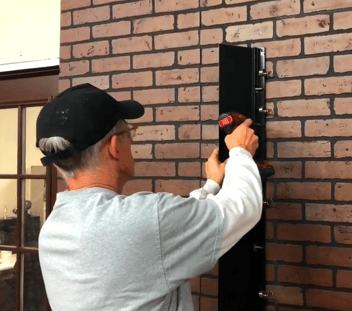
Modern systems solve this by allowing quick graphic swaps while maintaining full tension and structural integrity. You don’t need complex tools or time-consuming adjustments. Instead, you get a clean transition from one campaign to the next without compromising performance.
This capability becomes especially valuable during the summer, when promotions shift frequently and timing matters.
Where Weather-Resistant Banners Perform Best
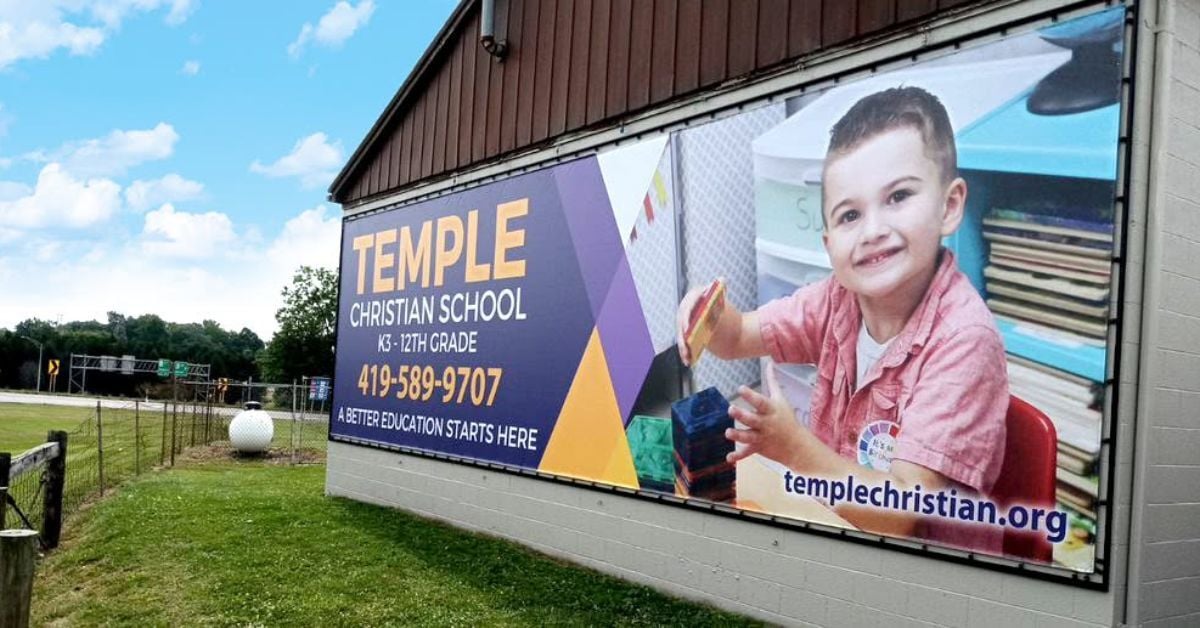
The features of a weather-resistant banner are essential in high-exposure environments. These locations demand reliability because they experience constant traffic and unpredictable conditions.
Think about places where signage needs to perform:
- Outdoor dining areas that rely on consistent branding and messaging
- College campuses with rotating events and announcements
- Retail storefronts exposed to direct sunlight throughout the day
- Hospitality spaces where first impressions influence customer decisions
In each case, durable signage supports visibility while reducing the need for ongoing adjustments.
Reduce Long-Term Costs Through Better Systems
Replacing damaged banners multiple times each season adds up quickly. Labor, materials, and downtime all contribute to higher costs than most businesses anticipate. Investing in a stronger system upfront changes that equation.
When your signage is in its best condition, you spend less time managing issues and more time focusing on your message. The result isn’t just durability—it’s efficiency across your entire advertising approach.
Build a Reliable Summer Advertising Strategy
Strong signage comes from choosing systems that align with real-world conditions. When you build your setup around durability and visual consistency, your campaigns stay effective from the first day of summer through the last.
Outdoor advertising works best when it looks intentional and reliable. When banners sag, fade, or fail, they send the opposite message. Strong systems eliminate that risk and keep your visuals working the way you planned.
Lind SignSpring offers a practical approach to this challenge by focusing on tension-based installation systems that maintain structure without constant upkeep. If you want signage that stays sharp through demanding conditions, now’s the time to evaluate how your current setup performs—and upgrade to something built to last.