
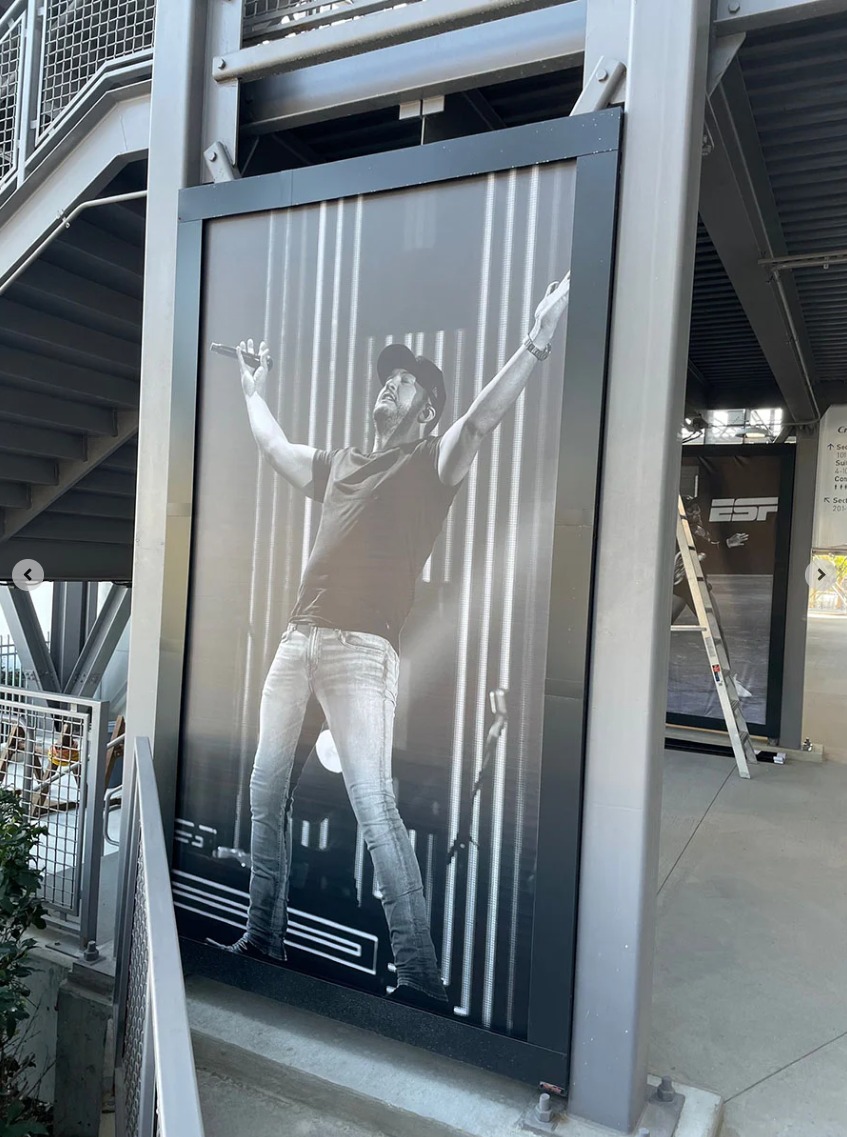
Large-format banners may look simple once they’re in place, but the hardware behind the graphic determines whether the display remains practical over time. If you expect to update messaging or maintain a large installation, you need a system that keeps the graphic secure without making every changeout unnecessarily complicated. Thinking about retractable banner hardware and utility supports together gives you a useful way to evaluate access, tension, mounting conditions, and the structure available at the site. The right approach lets you spend less time dealing with the display hardware and more time putting the advertising space to work.
Start With the Installation
Look closely at the surface that will support the finished display. A wall-mounted installation gives you an existing mounting surface, while an open structure may require an additional surface before you can install the actual banner system. Making that distinction early keeps you focused on hardware that fits the site instead of trying to make the site fit the hardware.
You’ll also want to think beyond the first installation. If you expect regular graphic changeouts, accessible attachment points become especially useful because your team will return to the same display repeatedly. Therefore, effective hardware should support both the graphic you’re hanging today and the way you plan to use that advertising space later.
Match Hardware to Graphics
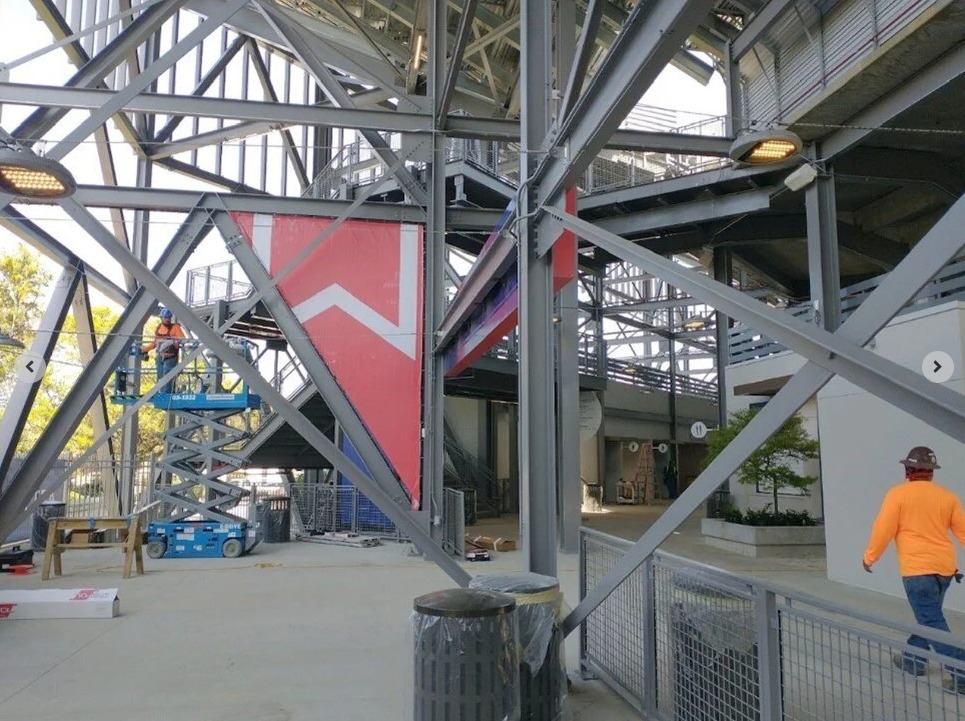
Banner hardware works best when it supports the graphic around its perimeter and maintains appropriate tension across the display. If the attachment system distributes that tension consistently, you can create a smooth presentation without relying on the banner itself to solve installation problems. This approach also makes the relationship between the frame and graphic easier to manage during future changeouts.
Keep Tension Consistent
When you hang a large graphic, tension needs to work across the display rather than concentrate at a small number of points. Spring-and-hook technology places attachment points around the perimeter so the graphic stays taut once installed. That arrangement also gives you a repeatable process when you replace the graphic later. As a result, you don’t have to treat every new campaign as a completely new installation.
Know What Hardware Supports
You’ll make better hardware decisions when you separate the banner-holding system from the structure behind it. A banner frame attaches the graphic to an appropriate mounting surface, but it doesn’t replace the building, billboard structure, or other primary construction that supports the overall installation.
Before choosing a system, confirm a few practical conditions at the installation site:
- Identify the existing surface that will receive the banner system
- Confirm that the available mounting area suits the planned frame
- Measure the display area before ordering the finished graphic
- Consider access needs for future graphic changeouts
- Follow the system specifications for the selected installation
Create a Mounting Surface
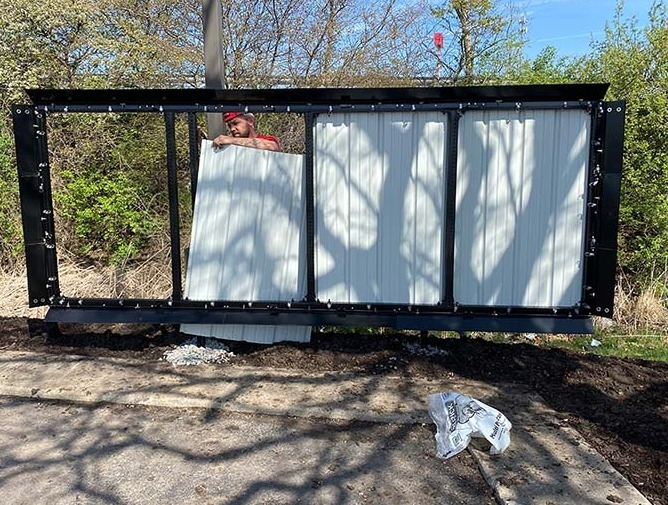
Some locations don’t give you a continuous wall or similar surface for attaching a banner frame. In those situations, you may need a steel banner frame that creates the mounting surface required for the actual graphic-holding system. The steel support serves as infrastructure rather than functioning as the spring-based banner system by itself.
BannerFrameAIR provides a relevant example because it creates a steel-tubing mounting surface where an existing structure doesn’t provide the necessary perimeter attachment area. A core BannerFrame product then mounts to that surface and handles the fabric graphic. Keeping those functions separate gives you a clearer picture of what the steel support contributes to the finished installation.
Consider Changeout Frequency
A banner that stays in place for an extended campaign creates different workflow demands than a graphic that changes several times during the year. If updates happen regularly, you’ll benefit from hardware that keeps the attachment process familiar from one campaign to the next. You can then prepare each new graphic around an established frame rather than approaching the location as a fresh installation.
Quick changeouts also help businesses get more practical use from permanent advertising locations. Once you’ve established the frame at the site, the graphic becomes the part that changes with your message. Therefore, restaurants, campuses, hotels, and other businesses with recurring promotions can keep the physical display location in service while updating what customers see.
Build Around Repeat Use
You should treat a frequently updated banner location as an ongoing communication space instead of a one-time sign project. A dependable perimeter system gives your team a consistent attachment layout whenever a new graphic arrives. That consistency becomes especially useful when different campaigns use the same display dimensions. Over time, a repeatable setup can make the changeout process easier to plan.
Choose Accessible Frame Features
Access becomes particularly relevant when the frame includes finishing components around the banner perimeter. BannerFrameHINGE, for example, uses attached cover sections that open for installation and close over the perimeter after the graphic goes into place.
When you compare frame features, keep your attention on the way your team will interact with the system:
- Look for practical attachment points during graphic changes
- Choose frame dimensions that correspond with the intended banner size
- Consider perimeter access before committing to the mounting location
- Account for covers or finishing components during installation planning
- Use manufacturer specifications when preparing replacement graphics
Account for Display Shape
Flat walls represent only one type of banner location. If you need to follow a curved or unconventional surface, the frame needs to accommodate that geometry while maintaining tension around the graphic. You should therefore evaluate the shape of the mounting area before ordering the system or preparing the final banner.
BannerFrameFLEX addresses curved applications by using spring-and-hook attachment around the graphic while adapting to non-flat surfaces. We recommend mesh vinyl for larger BannerFrameFLEX installations where airflow is an important consideration. This gives you another example of why banner hardware should respond to the actual installation rather than forcing every display into the same format.
Build for Long-Term Use
The most useful banner hardware doesn’t draw attention to itself. As you evaluate retractable banner hardware and utility support needs, focus on the mounting conditions and the way you expect to update the display over time.
Lind SignSpring offers spring-based BannerFrame systems for large-format fabric graphics, with options that address wall-mounted, freestanding, curved, and support-surface applications. If you’re planning a new display, contact us to discuss the existing site and find a banner installation system that fits the way you’ll use the space.