Keeping signage current sounds simple until you’re responsible for updating it across multiple locations, seasons, or promotions. That’s where quick-change frame systems help streamline signage updates. Modern banner framing systems let teams easily swap graphics, eliminating the need for complex hardware or time-consuming display rebuilds.
This guide breaks down why they matter for fast-moving marketing cycles and how the right framing system supports long-term signage performance.
The Challenge Behind Frequent Changeouts
Marketing teams deal with promotional changes, seasonal campaigns, and temporary event messaging. Without a streamlined system, these changes create several problems.
First, traditional banner installations often require tools, specialized hardware, or multiple installers. Each update becomes a mini project rather than a quick adjustment.
Second, repeated installations can damage graphics. Systems that rely on puncturing banners or stretching materials inconsistently lead to premature wear.
Third, inconsistent installations affect brand presentation. When banners sag, wrinkle, or stretch unevenly, the message loses credibility.
What Quick-Change Frames Do
Quick-change frames are designed to reduce the time and effort needed to replace signage graphics. Instead of disassembling the entire frame or reinstalling mounting hardware, the system allows operators to remove and install new graphics within minutes.
This efficiency comes from smart engineering. Spring-based tension systems, for example, keep banners evenly stretched while allowing them to be removed and reinstalled without damaging the material. Because tension stays consistent, every installation looks clean and intentional.
The result is a signage system that works effortlessly with marketing schedules. Businesses gain the freedom to update messaging whenever necessary without worrying about installation delays.
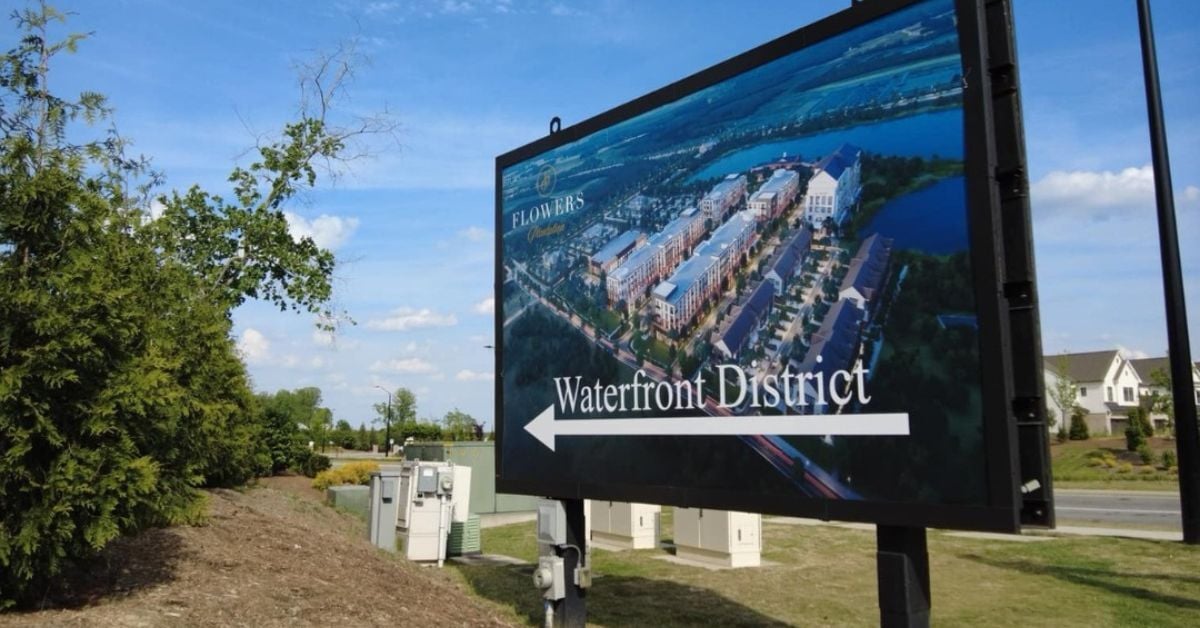
Build a Signage Workflow That Scales
Streamlining signage updates isn't just about making individual changeouts faster; it's about building an operational workflow that keeps pace with modern marketing.
Campaigns launch on short timelines. Promotions respond to inventory, seasons, and competitor activity. Event messaging goes up and comes down within days. A signage infrastructure that requires significant lead time for every update creates a bottleneck that slows the entire marketing process.
Prepare Graphics for a Smoother Swap
Consistent sizing and proper finishing make a noticeable difference during installation. Hemmed edges and reinforced borders help graphics sit evenly within the frame, reducing alignment issues and speeding up the changeout process.
Organize a Graphic Library for Fast Deployment
Keeping a labeled, organized inventory of banner graphics means the right asset is always ready when a campaign changes. Store graphics flat or rolled by category—seasonal, promotional, evergreen—so staff can locate and install the correct banner without delay.
Align Changeouts With Your Marketing Calendar
Map signage update windows to known campaign dates in advance. When changeouts are scheduled properly, staff are better prepared, and graphics are ready before the launch date arrives.
Factor in Graphic Production Lead Times
Even the fastest frame system depends on having graphics ready. Building print production timelines into your campaign planning prevents last-minute delays from holding up the entire update.
Why Faster Signage Updates Matter for Growing Businesses
When signage updates become effortless, new opportunities open across the business. Frequent promotions are more realistic, seasonal campaigns become easier to coordinate, and messaging can stay aligned with evolving marketing efforts.
This flexibility also improves day-to-day operations. Restaurants can refresh outdoor promotions weekly to reflect current offers. Corporate campuses can rotate event and wayfinding banners as schedules change. Hotels can highlight seasonal amenities without committing to permanent signage.
Quick-change systems turn signage from a static investment into an active marketing asset.
Where Quick-Change Frames Work Best
Not every framing solution is designed with the same level of ease and efficiency. Quick-change banner systems support a wide range of environments where messaging needs to evolve regularly. In many cases, these installations include outdoor banner frames that handle weather exposure while still allowing quick updates when campaigns change.
Common environments include:
- Retail storefront promotions
- Campus event signage
- Restaurant seasonal advertising
- Hotel property announcements
- Trade show or event installations
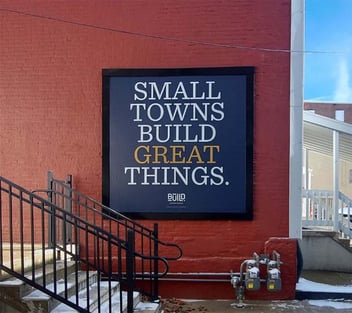
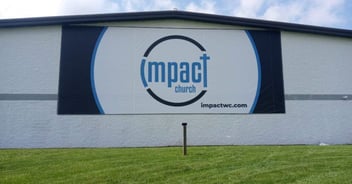
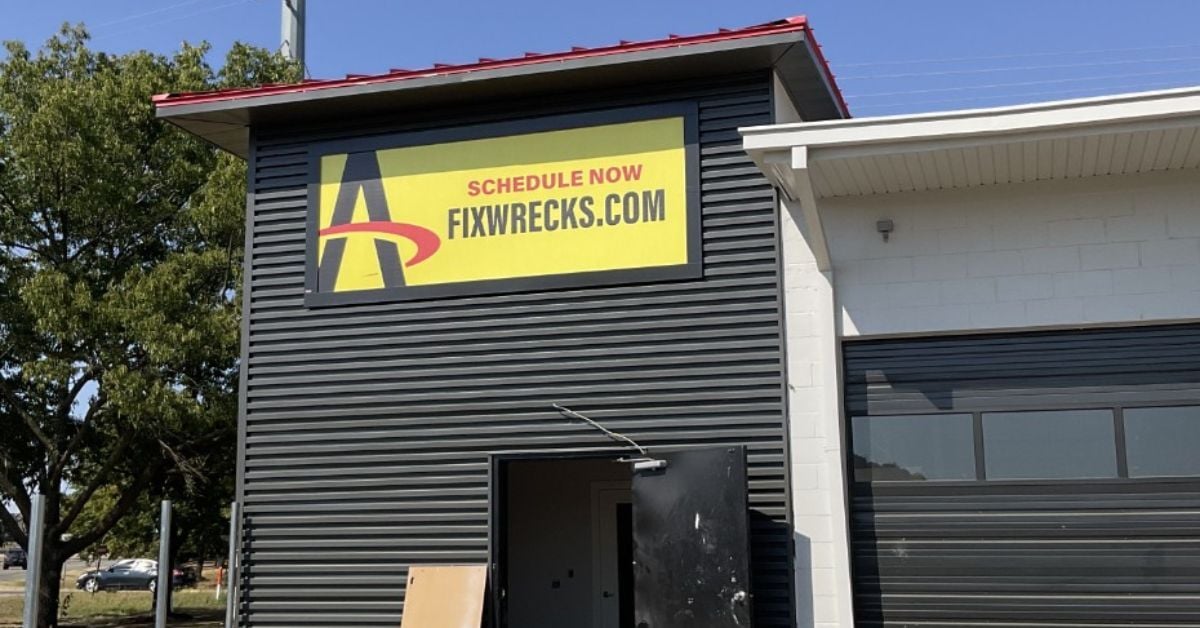
- Large-format building graphics
Maintain Consistent Visuals Across Updates
One overlooked advantage of quick-change frames is the ability to maintain consistent tension every time a banner gets installed. Quick-change frame systems distribute tension evenly across the banner surface. When installers replace graphics, the frame automatically restores the same level of tension.
Consistent tension keeps banner surfaces flat and legible from a distance, reduces material stress, and ensures every installation looks uniform, supporting brand consistency across multiple locations.
Simplify Signage Operations for Multi-Location Businesses
Businesses with multiple locations face a unique signage challenge. Each new campaign requires coordinated updates across every property. If installations require specialized equipment or outside labor, the process becomes expensive and slow.
Quick-change frames simplify operations by allowing local staff to handle updates without complicated installation procedures. Once the frame system is installed, replacing a banner becomes a straightforward process that requires minimal training.
This flexibility makes it easy to synchronize marketing across multiple locations—campaign launches, event promotions, and brand messaging can all be updated simultaneously without scheduling installation teams.
What To Look for in a Quick-Change Frame System
Some systems require tools, hardware adjustments, or partial disassembly to swap a banner, which defeats the purpose of a quick-change design.
When evaluating options, focus on a few key qualities:
- Tension consistency: The system should restore even tension automatically each time a banner is installed, without manual adjustment.
- Accessibility: Tension points and release mechanisms should be easy to reach without ladders, special tools, or dismantling the surrounding structure.
- Material compatibility: The frame should accommodate the banner materials your production workflow already uses.
- Durability: Outdoor installations require hardware that handles weather exposure without compromising the quick-change functionality.
A strong example of this engineering approach is the BannerFrameAIR system developed by Lind SignSpring. Our spring-based tension technology is designed specifically to simplify banner installation while maintaining consistent presentation across every changeout, whether indoors or outside.
Improve Your Banner Display Changeouts
Streamlining signage updates with quick-change frames comes down to choosing systems that prioritize speed, consistency, and ease of use at every stage of the process—from installation to graphic replacement to long-term maintenance.
When the right framing infrastructure is in place, signage shifts from a recurring operational challenge to a manageable part of your business communication. Graphics stay current, brand presentation remains consistent, and marketing teams gain the flexibility to move at the pace their campaigns require.
Lind SignSpring's spring-based tension technology was developed with exactly that goal in mind, making professional banner installation faster and more reliable without sacrificing the visual quality that supports strong brand presentation.
If your current signage process feels slower than it should be and is holding you back, evaluating a purpose-built quick-change system is a practical place to start.