
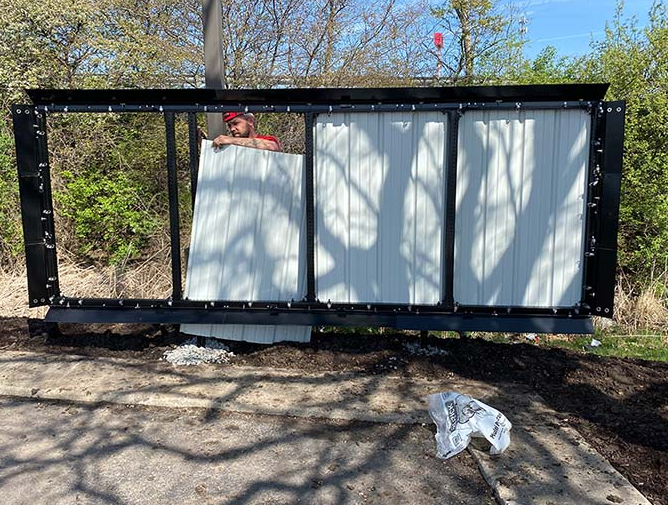
A large banner might look perfectly fine from the ground, but what happens when maintenance crews need to reach the wall behind it? Removing the graphic shouldn't become a bigger project than the maintenance itself. That's where rapid-detach banner hooks can improve maintenance access by making the graphic easier to remove when work needs to happen behind it. Considering those needs during installation can prevent avoidable complications when maintenance becomes necessary.
Why Maintenance Access Deserves Planning
Large-format banners sometimes cover areas that maintenance crews need to reach. A graphic mounted across an exterior wall, for example, may conceal sections of the building that require periodic attention. If you focus entirely on appearance during installation, you may overlook the clearance workers will need to reach those areas later.
Consider a commercial property where workers need to inspect a section of wall behind an advertising display. Removing the graphic gives them a clear view of the wall so they can assess its condition. If the mounting hardware remains in good condition, crews can leave it in place while completing the inspection.
Understand Rapid-Detach Banner Hooks
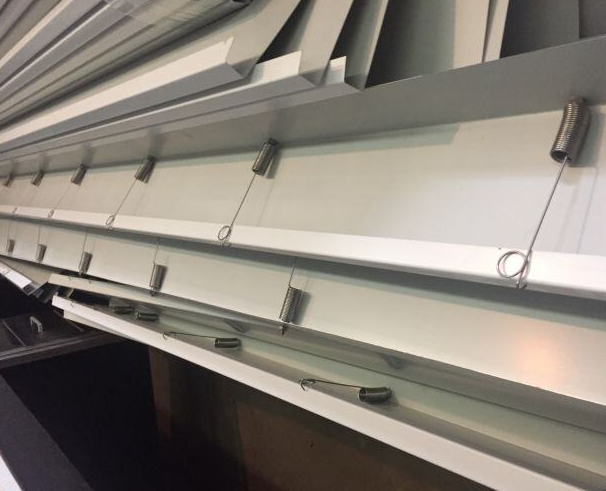
Rapid-detach hooks allow installers to disengage a banner from its attachment points without dismantling the supporting frame. In spring-and-hook systems, individual springs connect to the graphic around its perimeter, maintaining tension across the display. During removal, crews can disengage the graphic from the hooks by following the system's recommended procedure.
This arrangement is particularly useful for displays that require periodic graphic changes. You can keep the installed banner frame in place while removing the graphic for maintenance. Crews should also check that the existing attachment points remain accessible when they need to remove the graphic.
Make Banner Removal More Manageable
Imagine a hotel with a large promotional banner mounted on an exterior wall that needs repairs. Workers need to expose the damaged section without unnecessarily disturbing the existing frame. With detachable hooks, workers can remove the graphic while leaving serviceable frame components in place.
Crews should follow these steps for a removal procedure:
- Confirming that workers can safely reach the attachment points
- Identifying the appropriate removal sequence for the installed system
- Supporting the graphic as workers release its perimeter connections
- Keeping the material away from rough surfaces during handling
- Storing the removed graphic according to its material requirements
Improve Access Behind Large Graphics
Temporary removal becomes particularly useful when a banner covers an area that workers can't properly inspect from the outside. Consider a stadium displaying a large graphic across an existing wall near a concourse. If maintenance crews need to examine the surface beneath that display, the printed material could obstruct their view.
Once workers remove the graphic, they can examine the previously concealed area directly. A visual check of the banner won't reveal cracks or surface damage concealed by the graphic. However, workers should also check whether the frame blocks access to the section they need to inspect.
Support Routine Display Inspections
Regular inspections give you a chance to identify worn or damaged attachment components before the next graphic changeout. Examine the springs for visible deformation or corrosion that might interfere with their intended function. If you notice damage, arrange for an appropriate assessment rather than assuming the affected component can continue operating normally.
Pay attention to the graphic's perimeter during these inspections as well. Look for small tears or stretched areas around the attachment points, especially on graphics that crews have removed and reinstalled several times. If you find damage, determine whether the graphic remains suitable for reinstallation.
Simplify Graphic Reinstallation
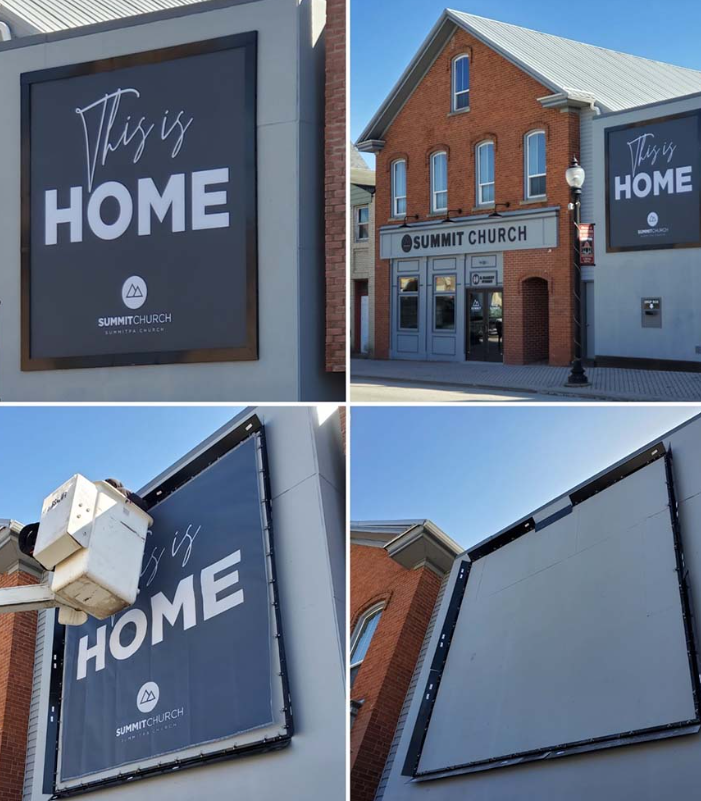
After completing maintenance, crews need to return the graphic to its intended position. With rapid-detach banner hooks, maintenance access doesn't have to involve removing the permanent mounting system. Crews can then focus on positioning the graphic correctly rather than reinstalling hardware that doesn't need replacement.
During reinstallation, check that the graphic's edges align with the intended display area. Workers should follow the appropriate attachment sequence to restore the intended perimeter tension. If the banner doesn't sit properly, they should check its positioning rather than forcing the material into place.
Protect Graphics During Maintenance
Removing a banner creates another responsibility: keeping the material suitable for future display. Dragging a reusable graphic across the ground can scratch its printed surface or damage the material. Set aside a clean area where workers can place the graphic once they remove it.
You can reduce the risk of handling damage by following these precautions:
- Choosing a clean location where workers can receive the material
- Keeping the printed surface away from sharp edges
- Avoiding pulling directly against attached spring tips
- Following material-specific guidance when folding or rolling the graphic
- Inspecting the material before approving it for reinstallation
Plan Access for Elevated Displays
A detachable system doesn't eliminate the practical challenges of working at height. A large banner mounted above a college building entrance, for instance, may still require a suitable lift and trained personnel. Account for the necessary equipment when scheduling the work, since detachable hooks don't eliminate the safety requirements of elevated installations.
The location of the display can affect where crews position their equipment. If they place it near a busy entrance, the property manager may need to coordinate temporary access restrictions. Crews might also need to protect pedestrian access while working near the entrance.
Make Maintenance Part of Planning
A well-planned banner installation should account for future work at the location. If you expect regular building maintenance, discuss the accessibility of the graphic attachment points while selecting the system. Ask whether workers will have enough room to reach the perimeter hooks once the display is installed.
You should also consider the working space around the finished installation. A frame installed close to an obstruction may leave limited room for reaching its attachment points. Checking those clearances early may prevent crews from discovering an access problem during their first maintenance visit.
A banner installation isn't truly practical if routine building maintenance requires unnecessary disruption to the display. Lind SignSpring offers spring-and-hook systems that support straightforward graphic changeouts while maintaining tension across large displays.
Planning a banner installation that needs to remain accessible? Contact Lind SignSpring to explore a mounting solution that works with your space and future maintenance requirements.