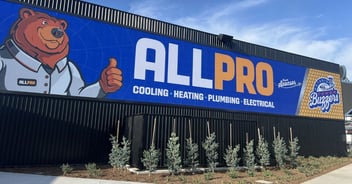
Billboard graphics need steady tension to maintain a clean appearance, but achieving it doesn't end once the poster goes up. As the material responds to changing outdoor conditions, the installation method determines how well the graphic accommodates that movement. That makes fabric signage stretch compensation techniques an important consideration for billboard operators looking beyond the initial installation. Traditional wrapping addresses the problem by pulling the graphic tightly around the structure, while spring-based technology takes a different approach.
Stretch in Billboard Advertising
If you work with billboards, stretch compensation starts with the material installed on the structure. Standard 8-sheet and 30-sheet billboards commonly use polyethylene (PE) posters, while larger bulletins and odd-sized boards generally use 7–13 oz vinyl. Each material needs enough tension to maintain a clean presentation across the billboard face.
Outdoor conditions complicate that job because billboard graphics don't remain dimensionally static throughout their service life. As temperatures change, the material may expand or contract, altering the amount of tension across the face. An installation method therefore needs to account for movement after the initial posting rather than focusing exclusively on the day of installation.
Traditional Billboard Wrapping
Wrapping remains a common installation technique because installers can pull a large vinyl graphic taut around the existing structure. The process generally uses pole pockets, poles, and ratchet straps to create the tension that holds the graphic in position. Once tightened, the wrap covers the billboard face and presents the advertisement to passing traffic.
The following characteristics shape this installation approach:
- Pole pockets provide connection points along the graphic
- Poles help support the material during installation
- Ratchet straps create the tension needed for the wrap
- Installers tighten the material around the existing structure
- Future tension adjustments may require another site visit
Where Wrapping Creates Challenges
Wrapping gives billboard companies a familiar way to tension graphics, but achieving that tension requires substantial force. Installers may ratchet vinyl tightly around the structure to remove sagging and create the intended presentation. When tightening becomes excessive, that force may bend corners on the billboard structure and make the distortion noticeable around the displayed artwork.
Seasonal movement is another consideration after the crew leaves the site. As vinyl responds to temperature changes, a wrap that looked properly tensioned at installation may loosen later and require adjustment.

Spring-Based Stretch Compensation
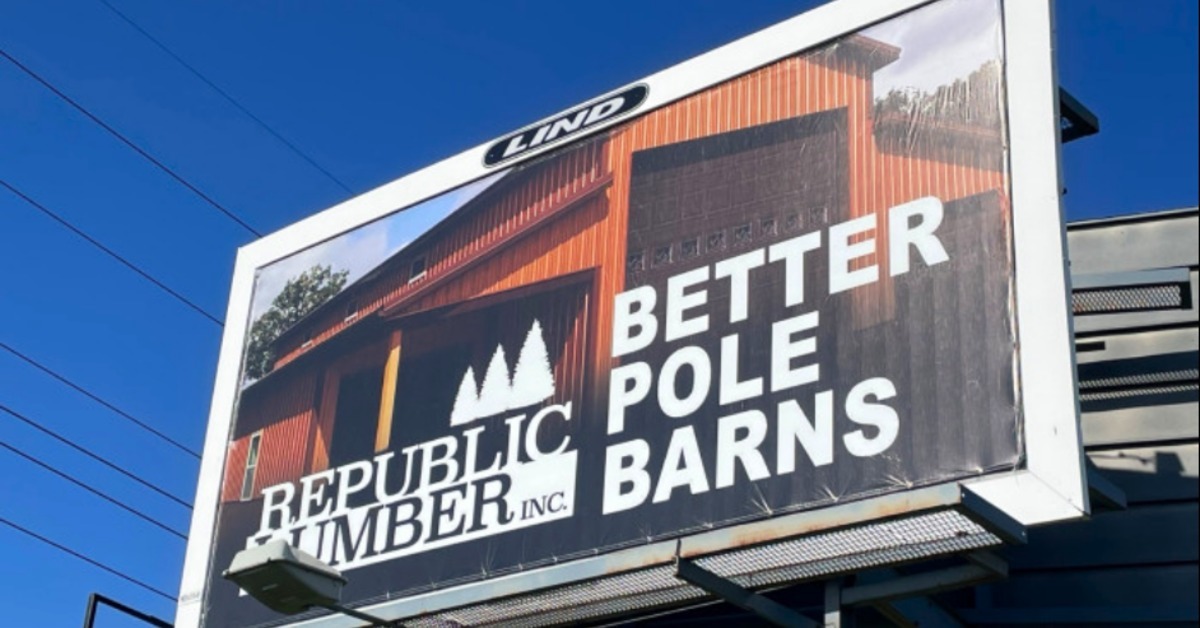
Lind SignSpring takes a different approach by using spring-and-hook technology around the perimeter of the existing billboard structure. Instead of wrapping a graphic around the structure and pulling it tight with ratchet straps, installers attach the poster to springs that create the necessary tension. The billboard company still provides the structure and graphic, while the SignSpring system serves as the attachment point between them.
That distinction changes the role of stretch compensation after installation. The springs continue responding as the poster expands or contracts, allowing the attachment system to move with the graphic while maintaining tension. As a result, installers don't have to depend solely on the amount of tension they manually create during the initial posting.
Installation Without Wrapping
Removing the wrap process changes what installers need to accomplish while they're working on the billboard face. With SignSpring, installers attach the graphic directly to the spring system positioned around the perimeter. They don't need to wrap the vinyl around the billboard structure to create the force that keeps the graphic taut.
A spring-based installation changes several practical parts of the process:
- Springs create attachment points around the billboard perimeter
- Installers connect the graphic directly to those points
- The process doesn't require wrapping the poster around the structure
- Spring movement accommodates changes in the graphic after posting
- Graphic changeouts don't require rebuilding a wrapped connection
Protect Billboard Presentation
A billboard installation has only a short window to communicate with passing viewers, so visible distortion can interfere with the presentation. When ratchet straps pull a wrap tightly enough to bend corners of the billboard structure, those changes may become noticeable around the artwork. The issue reaches beyond the graphic because repeated stress may also affect the billboard face over time.
Spring-based attachment avoids the need to create tension by pulling a wrap tightly around those corners. Instead, installers distribute attachment points around the perimeter and let the springs maintain the working tension on the poster. This approach keeps the focus on holding the graphic taut without relying on excessive tightening around the structure.
Seasonal Billboard Movement
Outdoor advertising stays exposed through temperature swings that affect PE and vinyl throughout the year. As conditions change, a billboard poster may contract or expand rather than maintaining precisely the same dimensions it had during installation. An attachment method that responds to this movement reduces the need to treat every dimensional change as a new problem with tension.
This is where springs become particularly relevant to stretch compensation. Because each spring can move as forces on the graphic change, the system continues working with the poster after the installers finish the initial job. Instead of relying on one fixed amount of tension created during posting, the system responds as conditions around the billboard change.
Graphic Changeout Efficiency
Billboard advertising depends on changeouts as campaigns rotate, which makes installation efficiency important beyond the first posting. Traditional wraps require crews to work with the components that create and maintain the wrap each time the graphic changes. A spring-based system leaves the attachment points in place on the billboard structure for the next poster.
You can therefore look at stretch compensation as part of a larger installation workflow rather than an isolated technical concern. The same springs that hold the graphic taut also support future changeouts without requiring installers to recreate a wrapped installation. That continuity gives billboard operators another way to evaluate the practical difference between the two methods.
Choose a Tension Approach
Modern stretch compensation techniques aren’t simply about making fabric signage tight on installation day; they’re about keeping the graphic properly tensioned as conditions change. Lind SignSpring's spring-and-hook technology gives billboard companies an alternative to conventional wrapping by allowing the attachment points to respond as PE and vinyl expand or contract. That relationship can support cleaner billboard presentation while simplifying the way crews approach installation and future graphic changes. If you're considering moving away from wrapped bulletins, contact us to discuss whether a spring-based installation fits your existing billboard structures.